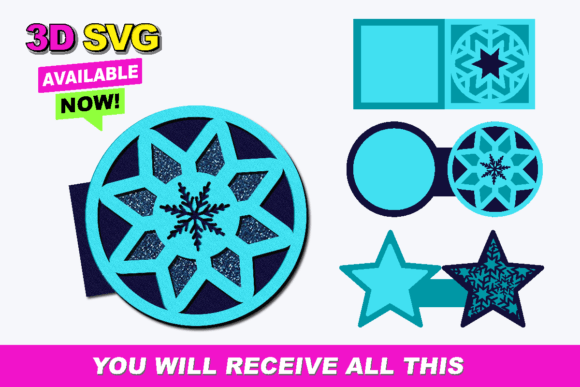
A 3D SVG Shapes Asset for Editorial Winter Content
When you work as a blog designer, evaluating a new graphic design asset means looking beyond the download. You’re judging how it will perform in real publishing environments: in article layouts, on social feeds, and as a visual signal to your readers. My first impression of the Snowflake Card 3D SVG is of a crisp, decorative asset that immediately creates a seasonal, artistic mood. It feels clean and modern, yet distinctly winter-focused and somewhat playful. This isn’t a generic geometric shape; it’s a design element that carries a specific editorial tone, perfect for lifestyle, creative, or seasonal content niches.
Visual Mood and Reader Perception
This asset sets a clear expectation. Upon seeing it integrated into a blog header or Pinterest pin, a reader instantly understands the content’s theme—winter, holidays, crafts, or perhaps a serene, frosty aesthetic. It supports content that needs to look polished and clickable by offering inherent visual interest. The 3D SVG detail suggests craftsmanship and a quality download, which can bolster reader trust. For affiliate marketers promoting seasonal products or online educators creating winter-themed guides, this visual cue aligns perfectly with the topic, strengthening category recognition and visual identity.
Integrating the Asset into Real Publishing Workflows
Imagine preparing a featured image for a blog post about “Winter DIY Decor.” The Snowflake Card 3D SVG, rendered with a subtle shadow or layered over a textured background, becomes the central graphic. Its intricate details create a stronger first impression than a flat icon. For Pinterest graphics, its distinct shape can make a pin stand out in a crowded feed, improving click-through potential. As a website banner for a December newsletter, it provides a consistent branding element across platforms.
Beyond blog graphics, its utility in downloadable resources is significant. This asset is delivered as a zipped folder containing a 3D SVG file optimized for cutting machines like Silhouette Studio and Cricut Design Space. For publishers creating digital guides, worksheets, or printables as lead magnets, this file type is a valuable inclusion for craft-oriented audiences. It can be incorporated into Canva templates for social media posts or used as a decorative accent on eBook covers for seasonal digital products. For a small business branding a winter sale, it could adorn digital ads or affiliate content visuals.
Supporting Content Performance Across Platforms
The clearest advantage is in visual hierarchy. A well-placed, scaled version of this snowflake creates a focal point. On a blog post about “Holiday Marketing Tips,” it could sit beside the headline, signaling the seasonal angle without overpowering the text. For newsletter headers, it breaks up text blocks and adds editorial design quality. Used consistently across a series of winter posts, it builds a stronger visual identity for that content cluster.
Where This Design Asset Works Best
Its ideal applications are where detail and theme are welcome:
- Hero images for winter-themed landing pages.
- Article thumbnails and category visuals in a blog sidebar.
- Pinterest pins for seasonal tutorials or gift guides.
- Blog graphics as section dividers or illustrative accents.
- Content upgrades like downloadable ornament templates.
- Newsletter headers for December editions.
- Social media previews for linked winter blog content.
Editorial Considerations and Use With Care
While versatile, this asset requires thoughtful application. Its intricate lines might become lost or muddy in small mobile thumbnails if not simplified. On text-heavy blog images, ensure it doesn’t compete with readability. A low-contrast background could diminish its impact, and a busy layout might clutter the page. For serious professional niches or corporate content requiring a minimalist visual system, its decorative nature might feel inappropriate. It is a stylistic choice, not a neutral utility shape.
Practical Publisher Notes for Implementation
Before publishing, conduct these tests:
- Render it and test on both desktop and mobile screens.
- Check how it looks as a tiny thumbnail in a post archive.
- Preview it inside a real blog layout with your typical font sizes.
- Test it overlaid with headline text to check contrast and readability.
- Try a black and white version for potential print-friendly guides.
- Place it beside different font styles: a serif font for traditional blogs, a sans serif for modern sites, a script font for feminine brands, and a display font for bold headers to see compatibility.
- As a digital download, consider the final exported image file size for web performance; compress PNGs or JPEGs properly.
- Crucially, confirm commercial licensing before using it on monetized websites, affiliate pages, or within paid content products like digital guides.
Final Thoughts on Web Design and Visual Communication
The Snowflake Card 3D SVG is more than a craft file. For digital publishers and content creators, it’s a ready-made element for winter-themed visual communication. When used strategically—to enhance, not overwhelm—it elevates the perceived quality of blog graphics, editorial design, and downloadable resources. It helps content look intentionally designed, which is a key component in building a professional-looking content platform and a trusted brand identity in creative marketplaces. For anyone publishing seasonal content, this graphic design asset is a thoughtful addition to your library of commercial design tools.