Examining the 3D Witch Shadow Box SVG for Embroidery
When you’re considering a new embroidery file for your business or your next personal project, you’re not just looking at a picture. You’re evaluating a potential finished product. Today, I’m looking at the 3D Witch Shadow Box SVG from that exact perspective—as a designer who needs to know how this design will stitch out, wear, and sell. Let’s walk through its practical potential.
The Immediate Mood and Appeal
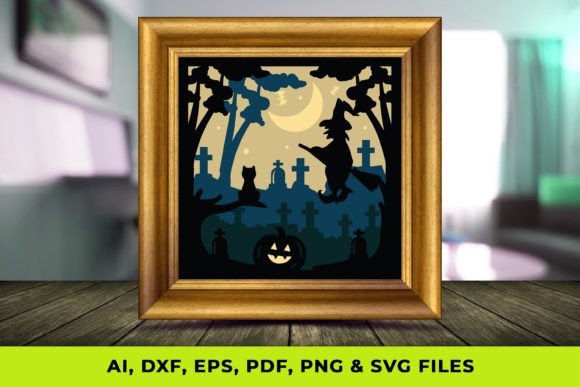
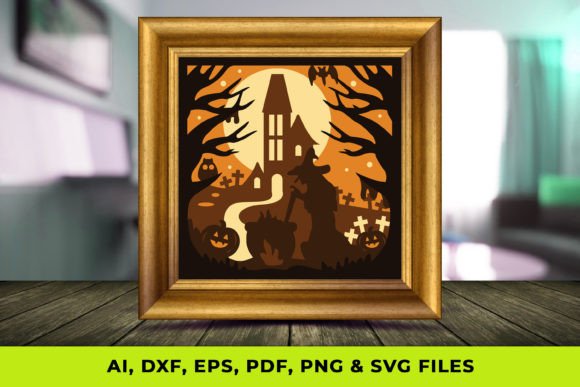
First impressions matter, both for you as the maker and for your eventual customer. This witch shadow box design immediately creates a vibe that’s playful yet sophisticated. It’s not a cartoonish Halloween icon; the layered, dimensional suggestion gives it a sense of artistry. The layout feels balanced, with enough detail to be interesting but not so dense that it becomes a stitching nightmare on smaller items. Its visual personality leans toward the boutique market—think handmade products for someone who appreciates a unique, slightly spooky aesthetic beyond the typical holiday fare.
This isn’t a design I’d automatically throw onto a t-shirt. It feels destined for items where the craftsmanship can be appreciated: a premium embroidered tote bag, a decorative pillow cover for a Halloween-loving home, or a beautifully framed patch. The shadow box concept suggests depth, which, when translated into satin stitches and fill stitches, can create a lovely tactile texture that elevates a simple kitchen towel or apron into a special gift.
Performance in Real Project Scenarios
Imagine you’re preparing a custom embroidered sweatshirt for a client’s October birthday gift. How would this 3D Witch Shadow Box SVG hold up? On a medium to large hoop area, the design’s details would likely stitch out with good clarity, provided you use a solid stabilizer. The layered elements mean you need to consider thread color contrast carefully, especially if stitching on a dark fabric. A black sweatshirt background would require lighter, possibly metallic threads for the witch’s silhouette to pop, adding to the cost but also to the perceived value.
For small business merchandise, like items for an Etsy listing or craft fair, this design offers strong recognition. It’s clearly a witch, but the stylized shadow box treatment makes it feel exclusive. Stitched onto a baby’s blanket (for a cool, modern nursery) or the back of a cap, it becomes a conversation piece. As an apparel decorator, I’d be thinking about placement: centered on a tote bag for maximum impact, or perhaps as a smaller accent on a tea towel’s corner. The design’s complexity means it would naturally justify a higher price point in your handmade shop, boosting customer trust in your professionalism.
Where This Design Requires Extra Attention
Now, the practical notes every embroidery designer should consider. The shadow box effect likely involves multiple layers and potentially small, detailed corners. This means it’s not an ideal candidate for very small hoop sizes or overly textured fabrics like heavy linen, where stitch clarity could be lost. On stretchy fabric without proper stabilization, those precise lines could distort.
I would be cautious about using it on thin fabrics intended for frequent washing, like a standard t-shirt, unless it’s scaled down significantly to reduce stitch density. The density in the filled areas needs to be checked on your machine; a too-dense fill stitch on a cap’s curved surface could lead to puckering. Always, always test this embroidery file on scrap fabric first, in both light and dark color versions, to see how the details render. This step is crucial for maintaining brand consistency and ensuring your finished product looks premium.
Affecting Visual Appeal and Commercial Value
From a commercial embroidery standpoint, this design’s strength is its giftability and handmade presentation. It feels personal. A customer looking for a personalized gift for a friend who loves witchcraft or vintage aesthetics would immediately see this on a pillow cover or apron and think it’s special. For digital product sellers offering the file itself, creating printable mockups that show the design on various products—a tote, a pillow, a framed patch—would greatly enhance buyer engagement.
The 3D SVG nature suggests it’s built for layered application, possibly even with applique elements, which can add material cost but also stunning visual depth. This directly impacts product value: a shadow box witch embroidered with satin stitch borders and a fabric applique base feels more luxurious than a simple running stitch outline. It tells a story of effort and skill, which is exactly what creative entrepreneurs want their products to convey.
Essential Designer Notes Before You Stitch
Before you commit this to a client project or your small shop product lineup, here’s my checklist. Review the stitch density in your software preview. Confirm the hoop size you’ll need for the scale you want. Inspect the small details—are there any tiny elements that might vanish on a textured fabric? Test it in black and white mockups to judge its form without color.
Most importantly, check the licensing terms for this machine embroidery design. Can it be used for commercial projects, like selling the embroidered tote bags or baby items at your boutique? Is it clear for personal and commercial use? Never assume. This protects your craft business and your client relationships. Using proper stabilizer matched to your fabric is non-negotiable here to preserve that clean shadow box illusion.
In summary, the 3D Witch Shadow Box SVG is a design with character. It’s not a generic file; it’s a design asset that demands thoughtful application but rewards you with a distinctive finished product. It fits a niche that appreciates craft and mood, making it a strong contender for holiday gifts, boutique branding, or a standout piece in your embroidery project portfolio. Approach it with a tester’s mindset, respect its details, and it could become a beloved part of your offering.