Cat Silhouette: A Minimalist Shadow Box for Modern Embroidery
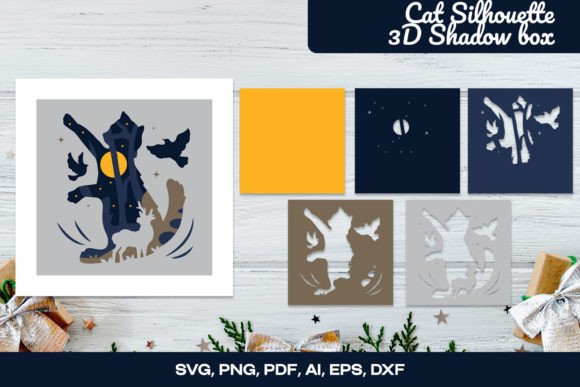
When I first open this design, the mood it creates is immediately clear: quiet, elegant, and sophisticated. The layered silhouette approach feels like a modern papercut translated into stitches, and that’s a powerful starting point. It’s not a whimsical, cartoon cat. This design has a visual personality that leans towards contemporary decor, thoughtful gifts, and products for clients who appreciate clean lines and artistic depth. My first instinct is that this design belongs on projects where subtlety and craftsmanship are valued over loud decoration.
The Natural Home for This Design: From Totes to Nursery Walls
In real-life embroidery situations, the Cat Silhouette 3D Shadow Box feels destined for specific applications. Imagine it centered on a high-quality cotton tote bag—the kind a boutique would sell. It becomes a statement piece, not just a logo. On a heavyweight sweatshirt, it offers that minimalist, trendy look that’s so popular. For personalized gifts, think of a crisp pillow cover for a cat-loving friend’s home, or a beautifully framed embroidered patch as nursery decor. As an Etsy seller or small shop owner, this design elevates your merchandise. It reads as an intentional design choice, not a generic clip-art, which builds customer trust and enhances your brand’s consistency.
For commercial embroidery projects, like a small line of aprons or kitchen towels for a local shop, this silhouette provides recognizable, professional branding without being overpowering. Its giftability is high because it feels custom-made and artistic. In printable mockups for your digital product listings, this design will show clean edges and good contrast, which is crucial for buyer engagement. It’s a design asset that suggests you’ve curated your offerings.
Where This Elegant Silhouette Requires a Practical Eye
However, the layered, shadow box nature means you must choose your application carefully. On very small hoop sizes, the layers and any potential fine details might lose their definition. I would be cautious with highly textured fabrics like certain linens or looped towels, as the clean silhouette could get lost. Stretchy fabric requires excellent stabilizer to keep those crisp lines from distorting.
Dark fabric is a fascinating choice here. A white or light thread on a dark background would make this shadow box pop dramatically, but you must ensure your stitch density is sufficient to prevent the fabric color from peeking through and muddying the elegant shape. On curved surfaces like caps, the design’s central composition would work, but you’d need to test placement to avoid the crown curve breaking the illusion of depth. Always inspect the file for any tiny connecting details or corners that might be challenging for your machine’s stitching path.
How the Design Affects Your Final Product’s Appeal
Stitching clarity is paramount. When this design is embroidered well, with proper thread color contrast, it looks like a premium handmade product. That directly increases perceived product value. For the crafter or creative entrepreneur, it’s a design that tells a story of quality. A poorly executed version, however, with puckering or skipped stitches, would undermine that entire sophisticated mood. The difference is stark.
From a business perspective, using such a clean, modern embroidery file consistently across your product line—say, on tote bags, sweatshirts, and framed art—creates a cohesive brand look. It attracts a specific customer who values design. For holiday gifts or wedding gifts, especially for cat lovers, this piece feels personal and lasting, more than a generic image.
Practical Notes from the Embroidery Desk
Before you commit this to a client’s item or your best-selling tote bag, test it on scrap fabric first. Use the same fabric and stabilizer combination you plan for the final project. This is not a step to skip. Check how the layers interact. Does the fill stitch or satin stitch (depending on the file’s construction) create the dimensional shadow box effect you expect?
Review the stitch density in your software preview. Very dense areas can be challenging on thin fabrics. Confirm the hoop size needed; a design with this much visual weight often needs a sufficiently large area to breathe. Inspect any small details within the silhouette to ensure they’ll stitch out cleanly.
I always test a design in simple black and white mockups to see its fundamental shape. Compare how it looks on a light versus a dark fabric background in your mind—sometimes a design like this Cat Silhouette 3D Shadow Box is transformed by a bold background choice. Proper stabilizer is your non-negotiable friend here.
Crucially, check the provided license before selling finished items or digital products. Can you use it for commercial embroidery, or is it for personal use only? This dictates whether it becomes a core part of your craft business inventory. The description mentions it’s a 3D SVG, which suggests layered digital files, but as an embroidery designer, I need to see the specific embroidery file formats provided to confirm machine compatibility and how the layers are translated into stitches.
In the end, this Cat Silhouette 3D Shadow Box design is a tool for creating elevated finished products. Its success hinges on your practical choices: the right fabric, the perfect stabilizer, thoughtful thread colors, and an understanding of which projects will let its elegant, layered personality shine.