The Candy Holder Whale: A Designer's Practical Review
First Impressions: Whimsy Meets Function
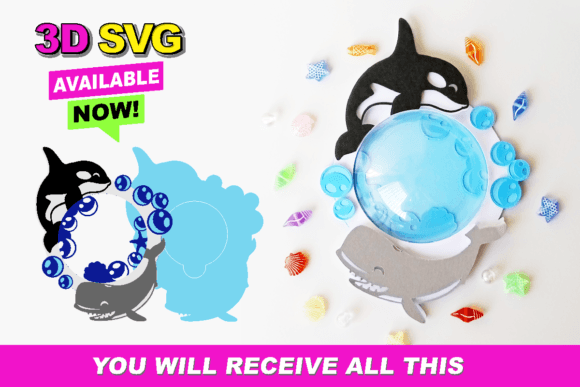
Opening the Candy Holder Whale 3D SVG, my immediate thought is that this design has a playful, generous personality. The concept of a whale holding candy isn't just cute; it suggests a gift, a treat, a little moment of sweetness. This isn't a generic animal shape. It carries a narrative, which is a powerful starting point for any embroidery project. The 3D SVG format implies layered construction, which translates wonderfully into machine embroidery, allowing for distinct sections that can be stitched or appliqued with different colors and textures. The mood is cheerful and welcoming, perfect for projects where you want to evoke a sense of fun or nostalgia.
Where This Whale Shines: Ideal Project Pairings
In my experience, a design's theme dictates its best applications. This whale feels destined for personalization and gift-giving. Imagine it stitched onto a child's tote bag for a birthday party, filled with the child's name embroidered beside it. Or, consider it as a central motif on a baby's blanket or nursery pillow cover, where its gentle theme fits perfectly. For a small business product, this could be a standout item on a kitchen towel or apron in a boutique—a unique, conversational piece that stands out from generic floral patterns.
As an Etsy seller or craft fair vendor, this design offers excellent versatility. You could create a series of embroidered patches featuring this whale, ideal for custom orders on caps or sweatshirts. The "candy holder" element makes it particularly suited for holiday gifts or party favors, adding a layer of context that customers appreciate. It also works beautifully in digital product previews and printable mockups for those selling the finished embroidery file itself, as the visual story is clear and engaging.
Visual Impact and Stitching Considerations
When translated into stitches, the 3D aspect will likely rely on satin stitches for bold outlines and fill stitches for the candy elements. The shape's contours should provide good stitching clarity. However, the success hinges on execution. On a custom apparel like a sweatshirt, using a contrasting thread for the candy against the whale's body will make the design pop and increase its perceived value. On a tote bag made of canvas, the design will look robust and handmade. But this is where practical judgment comes in.
Points for Careful Execution
While the design is charming, its application requires a thoughtful approach. The presumed layered details mean that on smaller items like caps or the curved surface of a baby hat, you must be meticulous with hoop size and stabilizer. Any tiny, intricate areas within the candy or the whale's form could become muddled if the stitch density is too high for a thin or stretchy fabric. I would avoid using it on very textured fabrics where fine details might get lost.
Another key consideration is fabric color. On dark fabric, the design will need bright, opaque threads to maintain its cheerful personality. Some areas might require underlay stitches to ensure the lighter elements of the candy don't fade into the background. Always test on a scrap piece first. This isn't a design I would automatically run on a complex, layered garment like a quilted jacket without first verifying how the layers interact.
The Business and Customer Perspective
From a commercial standpoint, the Candy Holder Whale 3D SVG enhances brand consistency for a maker focused on whimsical, giftable products. It feels professional because it's a complete concept, not just a random shape. For a customer, seeing this on a personalized gift, like a monogrammed pillow cover, increases buyer engagement—it tells a story they can share. The handmade presentation is strong, suggesting care and creativity. It builds customer trust because the final product looks intentional and well-designed.
Essential Designer Notes Before You Stitch
Before loading this file for a client project or your own craft business merchandise, run through this practical checklist. These steps separate a good outcome from a frustrating one.
- Test on Scrap Fabric: Use a remnant of the actual fabric you plan for the final product. Check thread color contrast and how the design sits on the material.
- Inspect the Small Details: Look closely at the digital file. Are there any extremely fine lines or corners that might not translate well into a running stitch? Consider simplifying if needed for your specific machine.
- Mockup in Black and White: Create simple mockups on both light and dark backgrounds. This helps visualize the design's strength regardless of the final fabric choice.
- Confirm Your Hoop and Stabilizer Strategy: The 3D structure might require a stable hoop setup. Ensure your chosen hoop size accommodates the entire design without compression.
- Verify Licensing for Your Use: The product description notes it's an SVG file. If you intend to sell the finished embroidered items or use the design in commercial embroidery, you must confirm the licensing terms. Don't assume.
- Consider the End Product's Life: If the finished item, like a kitchen towel or baby garment, will need frequent washing, plan your thread and stabilizer choices for durability.
Final Thoughts: A Design with Purpose
Reviewing the Candy Holder Whale 3D SVG from a designer's bench, I see a file with clear character and practical application. It belongs in the toolkit of makers who create for occasions, for gifts, and for products that spark a smile. Its value isn't just in its cuteness, but in its ready-made story. When stitched with attention to fabric, thread, and context, it elevates a simple embroidery project into a thoughtful finished product. It reminds us that in the world of machine embroidery design, the best files are those that not only look good on screen but carry their charm seamlessly into the real world, onto the fabric, and into the hands of a delighted customer.