Witch Wine Bottle Wrap: A Designer's Review for Real Projects
When a new embroidery file lands in my library, I don’t just look at the preview. I think about how it will live in the world—on fabric, in a hoop, under a needle, and finally, in the hands of a customer or recipient. The Witch Wine Bottle Wrap design immediately sparks that practical imagination.
First Impression: Playful Charm with Room for Personality
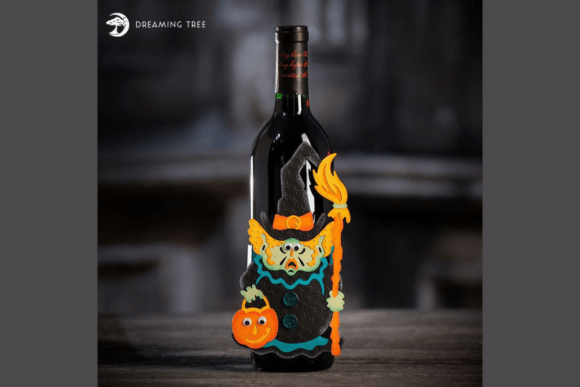
The initial mood here is wickedly fun, but not overly spooky. This is a Halloween design with a smile. The central bottle wrap concept, with its belt and buckle detail, suggests a 3D application, but as an embroidery designer, I see its potential as a flat graphic motif brimming with character. The layout feels cohesive and balanced, not overly cluttered, which is a relief when planning stitch allocation. It lands in that sweet spot between detailed enough to be interesting and clean enough to stitch clearly on various substrates.
This isn't just a Halloween SVG; it’s a personality piece. It naturally belongs to projects where a touch of whimsy is welcome. I picture it on the corner of a cozy autumn blanket, as a statement piece on a tote bag for a craft fair, or as a delightful accent on a child’s sweatshirt—never the entire focus, but always the charming highlight.
Where This Design Shines in Real-Life Embroidery
Let’s walk through a typical scenario. I’m preparing a batch of custom embroidered tea towels as boutique Halloween gifts. The Witch Wine Bottle Wrap design comes up as a candidate. Its appeal lies in its thematic clarity and decorative shape. On a towel, the playful witch motif would stitch out cleanly, especially if using a satin stitch for the belt and a fill stitch for the bottle. The value it adds is narrative; it turns a simple kitchen towel into a seasonal conversation piece.
For small business merchandise, like Etsy listings for embroidered caps or aprons, this design offers strong recognition. It’s instantly understood, which aids buyer engagement. On a cap, despite the curved surface, the design’s likely moderate detail level should adapt well if hoop size and stabilizer are chosen correctly. For apparel decorators, applying it to a sweatshirt sleeve or a tote bag panel would create a handmade presentation that feels intentional and professional, not generic.
Considerations for Optimal Stitching and Product Integrity
However, a professional review must always note where a design requires careful handling. The buckle detail and any potential tiny elements in the wrap’s texture could be areas of concern on very small hoop sizes or on textured fabrics like some sweaters. Stitch density will be key; a too-dense fill might make the design stiff on lightweight fabrics like baby clothes or thin t-shirts.
Dark fabric backgrounds are a natural fit for Halloween, but thread color contrast must be reviewed meticulously. Testing on scrap fabric first is non-negotiable here to ensure the playful lines remain crisp and don’t get lost. Similarly, for products destined for frequent washing, like apparel or kitchen items, ensuring the stitch structure is secure and not overly delicate is part of the designer’s duty. This affects customer trust and product longevity directly.
Affecting Visual Appeal and Commercial Sense
Beyond the stitch, this design impacts business. For a crafter selling at a holiday market, an embroidered patch or pouch featuring this wrap becomes a giftable, seasonal item with clear visual appeal. For a digital product seller including it in a Halloween bundle, it serves as a versatile design asset that can be showcased in printable mockups for various products—from pillow covers to baby bibs. Its strength is its adaptability.
Brand consistency for a maker focused on festive goods is also enhanced. A design like this, if well-executed, becomes part of a recognizable, quality-driven collection. It signals to customers that you understand thematic embroidery and can execute it with clarity.
Practical Designer Notes Before You Hoop
- Always test the Witch Wine Bottle Wrap design on a scrap of your target fabric. This reveals how it handles the specific texture and weight.
- Check thread color contrast. Run a test in both light and dark fabric mockups, even digitally, to plan your palette.
- Review the stitch density in the file preview. Are there large, dense fill areas that might require special stabilizer for a stretchy fabric?
- Confirm the hoop size required. Does it fit the dimensions of your intended product, like the curved surface of a cap or the limited space on a baby item?
- Inspect small details like the buckle. Will they remain clear at your intended size, or do they need slight adjustment?
- Use proper stabilizer. This is crucial for maintaining the design’s shape, especially on layered garments or fabrics with stretch.
- Most importantly, check the licensing terms of the Witch Wine Bottle Wrap file before selling finished items or using it in commercial embroidery projects. Ensure your use is covered.
A Final Thought for Makers
The Witch Wine Bottle Wrap design, from a designer’s point of view, is a promising tool. It has the visual personality to elevate seasonal projects and the structural balance to stitch well when handled with professional care. It encourages you to think about products holistically: not just the embroidery file, but the finished product it will become. Whether you’re embroidering a custom gift, stocking your small shop, or building your digital asset library, approaching each design with this practical, real-world lens is what separates a hobbyist from a confident, observant maker.