A Designer's Take on the 3D SVG Happy Halloween Card
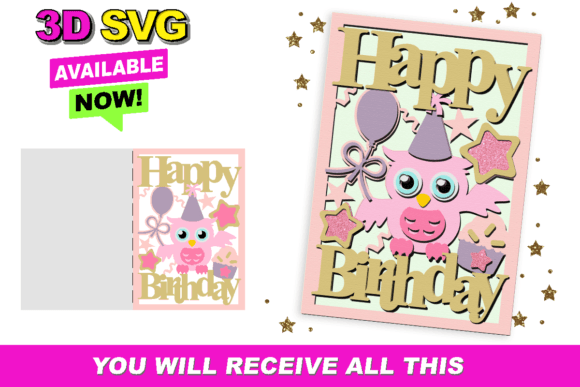
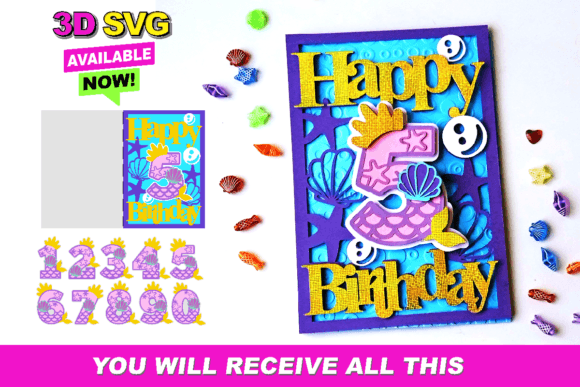
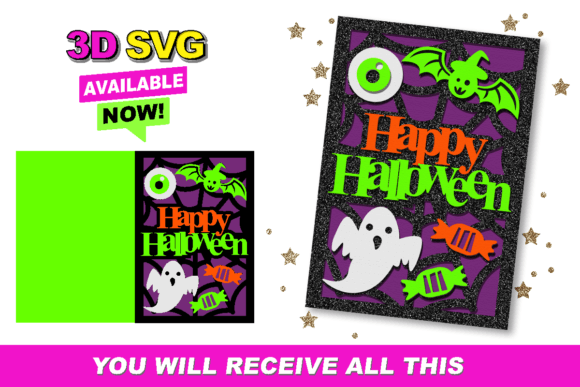
When a client asks for Halloween-themed visuals that stand out, the first impression of an asset like the Happy Halloween Card is crucial. Opening this file, the immediate mood is playful yet polished. The 3D effect suggests depth and dimension without being overly gimmicky. It feels contemporary, leaning towards a style that bridges cute and crafty with a touch of sophisticated whimsy. This isn't a generic clipart piece; it has a character that naturally fits projects for handmade brands, boutique product launches, seasonal Etsy shops, or lively local event marketing.
The Visual Mood: More Than Just a Spooky Season Graphic
The design asset carries an emotional appeal of fun and celebration rather than pure horror. Its style evokes a sense of crafted intention, making it suitable for audiences that appreciate a handmade or artistic touch. For a small business branding a seasonal product line—like a limited-edition candle or a batch of artisan sweets—this card can establish a welcoming, festive visual identity. It supports a design direction that aims for warmth and engagement, steering clear of the overly commercial or starkly minimalist look that might alienate a community-focused audience.
Where the Happy Halloween Card Shines in Real Client Projects
In practical application, this SVG design performs exceptionally well as a central hero graphic or a decorative accent. For a product label or packaging design, its dimensional quality can add a premium feel, suggesting care and detail. In social media graphics, particularly Instagram posts or Pinterest pins aiming for high engagement, it creates an immediate focal point. As part of a themed collection for a digital seller—perhaps a set of printable wall art or a series of Canva templates—it provides cohesive visual language.
Consider its use in Cricut projects for physical merchandise: t-shirt designs, tote bags, or sticker sets for a craft business. The clean vector paths implied by an SVG file are ideal for clean cuts and prints. For a blogger or publisher creating editorial design around Halloween content, it could serve as a striking blog visual or magazine-style graphic, elevating the overall professionalism of the piece. In marketing visuals for a local bakery’s seasonal campaign, placed on a flyer or a digital ad, it instantly communicates the theme while feeling more unique than a stock photo.
Potential Pitfalls and Areas for Careful Use
While versatile, this graphic design asset requires thoughtful placement. Its effectiveness diminishes in small sizes, such as a tiny icon on a website footer or a minor element in a crowded layout. The details and 3D illusion could become lost or muddy. On complex backgrounds with competing patterns, the asset might struggle to maintain clear visual hierarchy. For projects demanding a very clean, minimalist branding approach—like a professional corporate newsletter mentioning a Halloween fundraiser—it might feel too stylized and should be used sparingly as an accent rather than a lead.
Readability is paramount. If the design incorporates text elements, testing it alongside various font styles is essential. How does it pair with a clean sans-serif for modern marketing visuals? Does it clash with a delicate script font in an invitation? Placing it on real mockups of product packaging or a t-shirt design will reveal how it interacts with other brand elements and whether it supports or disrupts brand consistency.
Practical Designer Checks Before Client Delivery
Before committing this asset to a paid project, a few technical and aesthetic reviews are non-negotiable. First, confirm the commercial licensing terms. Using it for a client or business project requires clear rights. Then, test the file itself. A zipped folder containing a 3D SVG suggests it’s built for machines like Silhouette or Cricut, but for digital design work, open it in your vector software to inspect the editability. Are the layers clean? Can you easily adjust colors to match a client’s brand palette?
Always preview the design at both large and small scales. Print a test copy if the final product is physical, like a poster or sticker, to check print quality and color fidelity. Test it in black and white to ensure the form holds up without color dependency. Crucially, check its contrast on both light and dark backgrounds. A design that pops on a white webpage might vanish on a dark social media post template. If a PNG with transparency is included, inspect the edges for clean blends.
Finally, assess its emotional appeal and visual trust within the full project context. Does the Happy Halloween Card make the overall design feel more polished and intentional, or does it risk looking like a downloadable asset slapped onto a template? Its strength lies in its ability to serve as a foundational decorative element that improves the visual mood, but it must be integrated with purpose.
Final Judgment: A Asset for Crafted, Seasonal Professionalism
The Happy Halloween Card, as a Shapes category 3D SVG, is a solid digital product for designers, content creators, and crafters working on seasonal commercial design. It won’t suit every project—it’s inherently thematic and stylized—but for the right client, it’s a valuable tool. It helps a small business branding effort or a creative marketplace seller elevate their Halloween offerings from generic to crafted. It supports a visual direction that values engagement, warmth, and a touch of dimensional detail. By performing the practical checks—on licensing, scalability, contrast, and integration—a designer can confidently deploy this asset to create more polished, engaging, and professionally appealing final results for real client work.