Adventure Dad: A 3D Fishing Trip for Embroidery
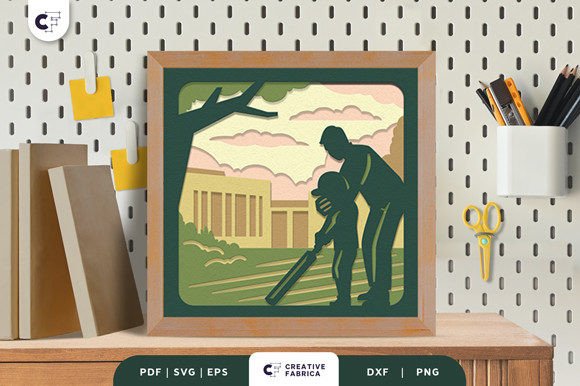
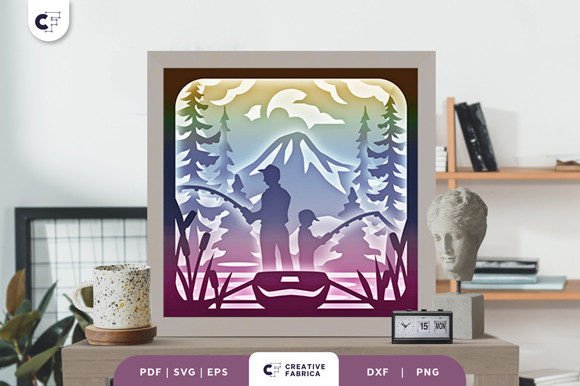
When a new embroidery design file lands in my library, I don't just look at the preview—I think about how it will live in the world. The Adventure Dad with Kids 3D Shadow Box immediately caught my eye as more than just a Father's Day graphic; it's a little narrative scene begging to be stitched. My first impression was one of playful warmth. The layered, shadow-box style creates depth without being overly complex, and the theme of a father and son fishing is universally sweet without feeling saccharine. It’s a design that speaks to connection and simple joys.
The Mood It Stitches Into a Product
This design has a friendly, nostalgic personality. It doesn’t scream “holiday”; instead, it whispers “memory.” That makes it incredibly versatile beyond just a Father's Day product. I immediately pictured it stitched onto the pocket of a relaxed, heavyweight sweatshirt. The 3D layered effect would translate beautifully into defined satin stitch borders and clean fill stitches for the interior details, giving it a premium, handmade look on apparel. For a crafter or small business owner, that means you’re not limited to a single seasonal item. This could be a year-round gift for a dad, a grandparent, or anyone celebrating that kind of bond.
Where This Design Finds Its Perfect Home
In practical terms, I’d lean towards applying this to stable, medium-weight fabrics where the details can shine. A canvas tote bag would be a fantastic project—the structure of the fabric supports the design’s detail level, and the final product becomes a usable, cherished item. A baby’s quilt or a pillow cover in a nursery are also natural fits, turning the embroidery into decor. For an Etsy seller or boutique, think about a high-quality apron; the scene adds a personalized, story-driven touch that elevates a basic kitchen item into a heartfelt gift.
The layout is forgiving for placement. It’s not overly wide or tall, so it can fit comfortably on curved surfaces like a cap, though I’d advise careful planning for the denser areas. On a cap, using a lighter fill stitch density or opting for an applique approach for the larger shapes might prevent a stiff, bulky result. For patches, this design is a winner. Stitched onto a sturdy felt backing, it becomes a standalone piece of art that can be attached to anything, offering immense flexibility for your customers.
Navigating the Tricky Stitches: A Designer's Real-World Notes
While the design feels playful, its success hinges on technical preparation. The shadow-box effect implies layers and possibly smaller interior details. On textured fabrics like a thick sweater or a loosely woven blanket, those tiny details—the fishing rod lines, the facial expressions—might get lost or appear blurry. Always test on scrap fabric first.
Dark fabric backgrounds are a consideration. The design, as a 3D SVG, likely relies on positive space. On a dark garment, you’d need to ensure your thread color choices provide strong contrast, possibly using lighter or brighter threads to maintain the cheerful mood. Thin or stretchy fabrics, like a t-shirt, will require a robust stabilizer strategy to prevent puckering, especially around any denser fill stitch areas that define the father and son figures.
How This Embroidery File Impacts Your Business & Craft
From a commercial and creative entrepreneur’s perspective, this design adds value through its emotional resonance. A customer looking at an embroidered tote bag with this scene isn’t just seeing a bag; they’re seeing a story they might want to own or gift. That boosts perceived value and can enhance customer trust in your brand as a source for meaningful, well-executed handmade products. For digital product sellers, offering this as part of a “family-themed” embroidery bundle could attract buyers looking for versatile, heartwarming designs.
Its clarity after stitching is key. A clean, well-stitched rendition of this design on a product looks professional and intentional. It moves away from a generic, mass-produced feel, which is exactly what buyers in the handmade market seek. This is crucial for engagement in Etsy listings or craft fair displays—a crisp, happy scene draws the eye and invites a personal connection.
Your Pre-Stitch Checklist: Practical Steps Before Hooping
Before you load this file and start an embroidery project, here’s my grounded advice. Since exact stitch counts and hoop sizes weren’t provided in the description, your first step is to open the machine embroidery design in your software and review it. Check the density, especially in any areas that represent the “shadow box” layers. Confirm the minimum hoop size it requires for your machine.
- Run a test on a fabric similar to your final project fabric. Observe how the small details, like the fishing line or the kid’s smile, stitch out.
- Check thread color contrast. Create a simple black and white mockup on your computer to see how the shapes hold up without color, which helps plan for both light and dark backgrounds.
- Consider the end product’s lifecycle. If it’s a kitchen towel or an apron that needs frequent washing, ensure your stitch structure and stabilizer use will withstand it.
- Most importantly, confirm the licensing terms for this 3D SVG file. Understand clearly if it’s for personal use only, or if you can use it for commercial embroidery projects and sell the finished embroidered items. This is fundamental for craft businesses and digital product sellers.
The Adventure Dad with Kids 3D Shadow Box is a design with genuine charm. It’s not just a digital embroidery file; it’s a potential centerpiece for a custom apparel item, a personalized gift, or a standout piece in your small shop merchandise. Approach it with a designer’s eye for detail and a business owner’s mind for practicality, and it will stitch out not only a beautiful scene but also a successful project.